

Steam Deck: How Proton will make your Steam games shine on Valve’s handheld
Steam Deck: How Proton will brand your Steam games shine on Valve's handheld

Valve just announced the upcoming Steam Deck handheld gaming PC. Pre-orders also went alive to varying degrees of success, simply discussion has information technology that a lot of people are interested in Valve's latest hardware push button, and for skilful reason.
Simply the Steam Deck doesn't run Windows, so how exactly is information technology going to play well-nigh games in the Steam library? It comes to software called Proton, which is substantially a compatibility layer that allows the Linux-based operating organization to play Windows games.
- The best PC games
- Where to purchase a Steam Deck
- Plus: Nvidia GeForce RTX 3080 Super GPUs could power PCs and laptops next year
Proton, and the Steam Os Linux distro that accompanies information technology, isn't new. In fact, information technology's been around for a few years, making waves in the Linux gaming community a few years ago. It simplified PC gaming outside of Microsoft's scope and it's gotten so much amend in the days since.
However, Proton has limitations, which we'll get into in only a second. But it's important to understand that it means that the Steam Deck could meet infinitely greater success than the ill-fated Steam Machines. Valve has taken Linux seriously for years now, and it looks like the Steam Deck is the visitor's adjacent big push button.
Steam Bone and Proton: What are they?
If you've used Windows, or maybe Mac, all your life, so yous may not exist enlightened of a whole alternative ecosystem based around the Linux kernel. In this infinite, the sky's practically the limit, where you have the freedom to practice almost annihilation a calculator can perchance practice.
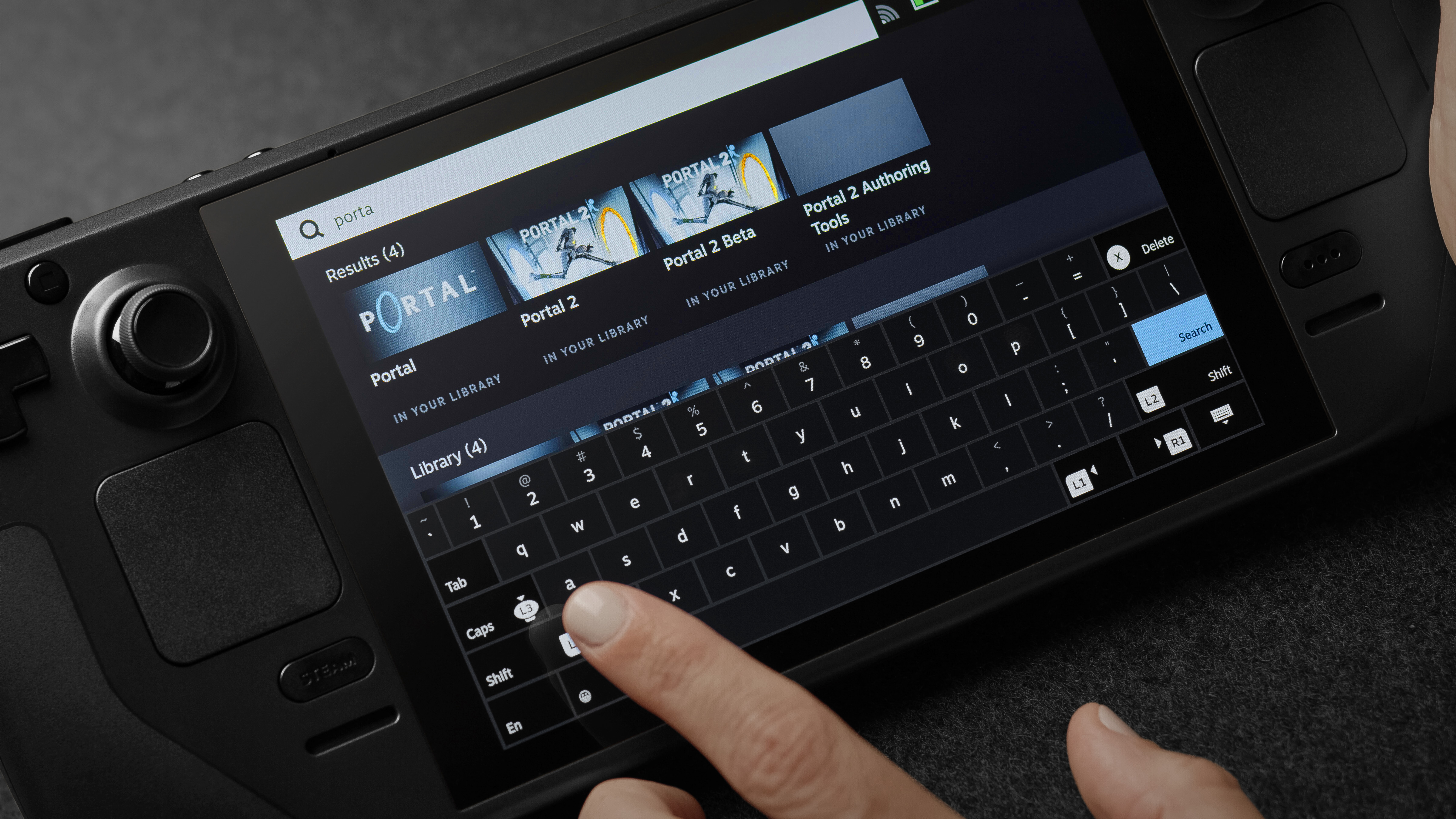
Linux is everywhere — if you're using an Android telephone correct now, you're using something built on summit of the Linux kernel. But Linux has never really taken off in the desktop infinite despite many, myself included, wishing it would. The reason why comes down to user-friendliness.
Many of the Linux distributions (referred to every bit distros) are very welcoming to newcomers, simply you have to relearn some processes since Linux handles things differently than Windows. Not anybody is down with that, and Linux has gained a reputation for having a steep learning curve.
Linux is everywhere, but it has never really taken off in the desktop space despite many wishing information technology would.
The nigh pop Linux distro in the earth is Ubuntu, which itself is based on the long-standing Debian. Many of the other popular distros are so based on Ubuntu with their own tweaks and desktop environments (which is another term for UI). When Valve created Steam Bone originally, it was based on Ubuntu. Simply the new version launching with the Steam Deck is based on another distro called Arch (using the KDE Plasma desktop environment).
Arch Linux itself is somewhat of a meme in the Linux community, but it's also extremely powerful. My personal distro of choice, Manjaro, is too based on Arch. There are probable a multitude of reasons that Valve chose to change Steam OS' base from Ubuntu to Arch, but we won't get into that here.
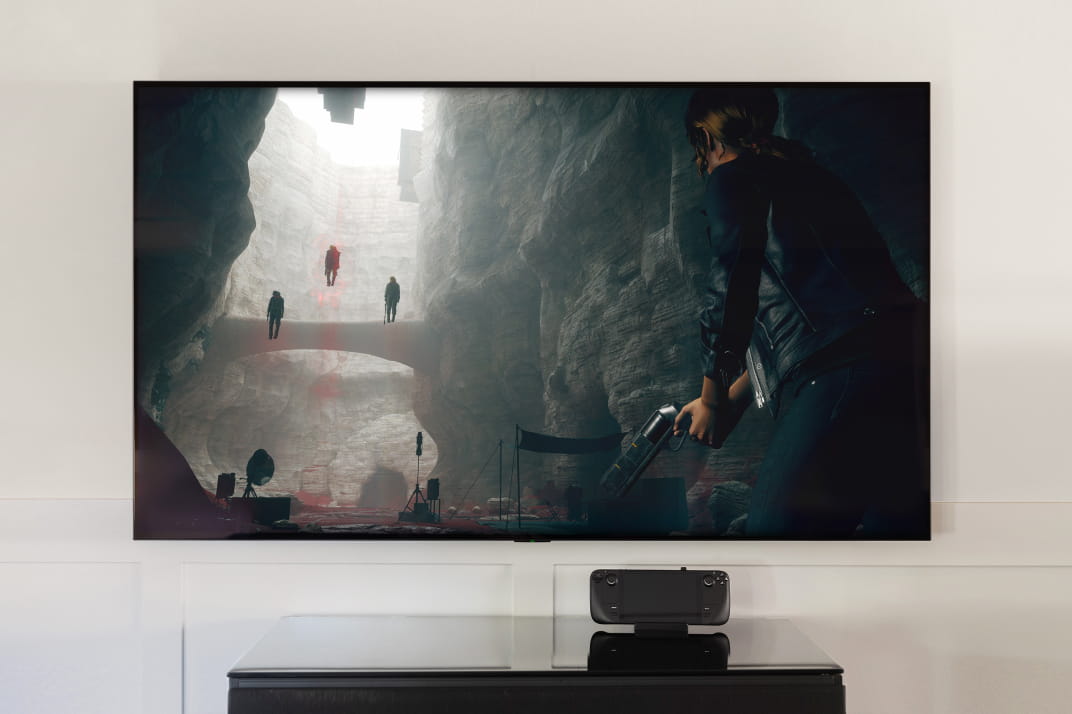
Valve also came out with Proton, which was an comeback upon a community project previously known as DXVK. Valve took the piece of work that DXVK'south programmer had done and ran with it, releasing the compatibility layer non long later. Proton's nature allows many Windows-but games to translate to something that the Linux-based operating arrangement tin understand.
But I must stress that Proton is not an emulator at all. It only translates the APIs that the games are using, like DirectX, into something that Linux tin can empathize. Proton is actually a fork of the popular Vino (Westine Isouth Not an Due eastmulator) software, which for years has been the chief fashion of running Windows programs in Linux.
Valve started off with a very short whitelist of games that would work under Proton, but from the get get, users could run whatsoever game they wanted to with Proton to run across if it would work. While not always successful, it bolstered a dwindling Linux gaming community into something truly passionate. Sites like ProtonDB arose, offer a database of games with compatibility ratings with user reviews to say what worked or didn't (or how they got things to work). Run into our guide to checking if a Steam game will work on Steam Deck.
Proton is adaptable and Valve unleashing information technology on the community has led to many breakthroughs, such as a variant by the developer known as GloriousEggroll. Valve must've decided that Proton was ready for primetime.
Proton and anti-crook
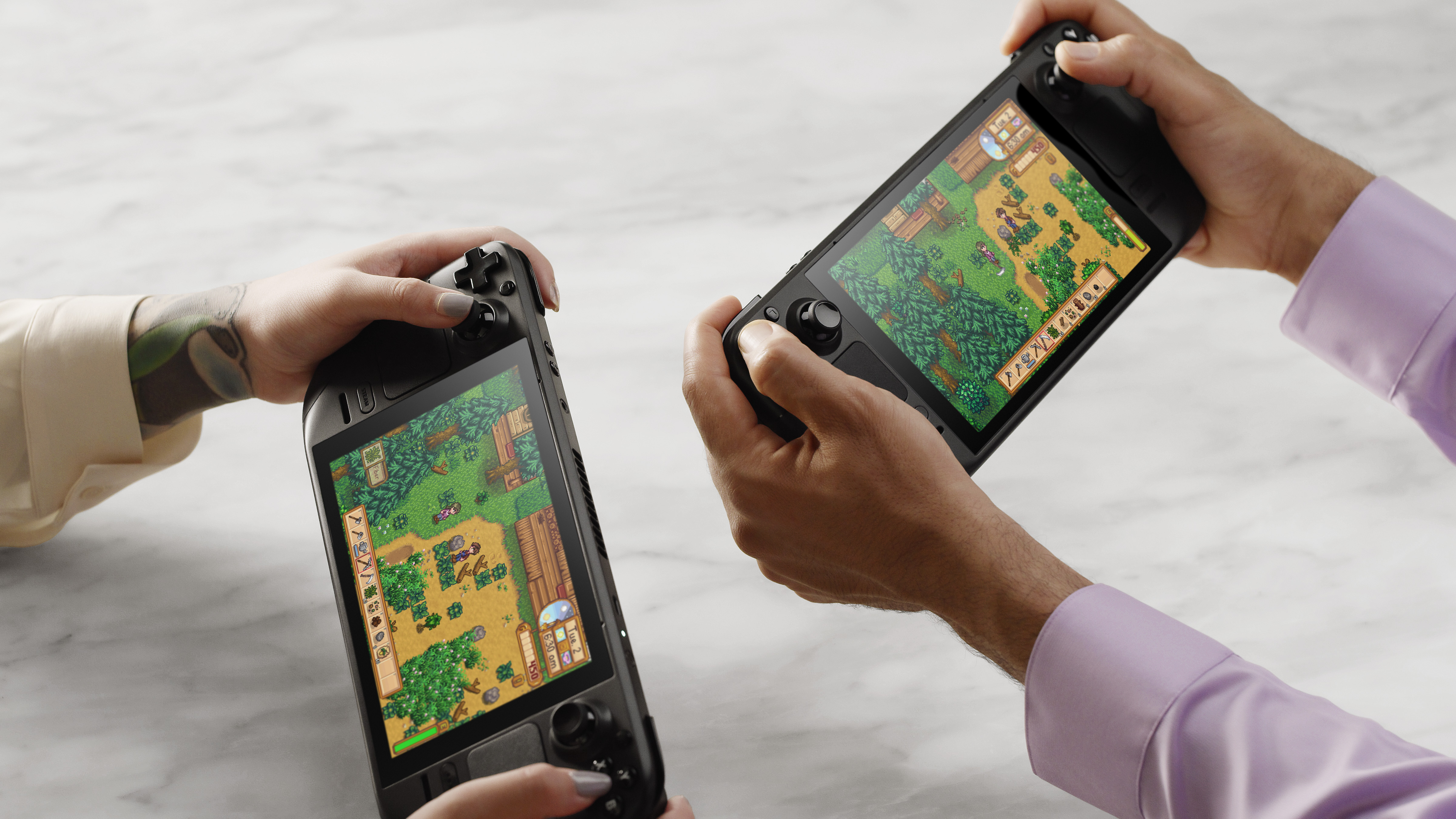
Other than some games flat out non working under Proton, the biggest hurdle has been games with anti-cheat software. Titles like Destiny ii, Noon Legends, PUBG, and so on will not work under Linux simply considering the anti-crook kicks in. With some games, even merely trying to run the game once can result in a permanent ban.
One of the biggest players in anti-cheat, Like shooting fish in a barrel Anti Cheat, was supposed to have Linux support, just so Epic Games interfered and we haven't seen much since. This has been a major sticking point for a lot of people, myself included, from jumping full-time into Linux.
But Valve knows this and has claimed to be working to resolve it by the fourth dimension the Steam Deck launches. I sure hope they o; I play Noon Legends regularly with friends and I would love to exist able to run Linux on my gaming rig and still be able to play with them. Just, as with anything, it's best not to get our hopes up until we see Valve come through.
Proton and Steam Deck outlook
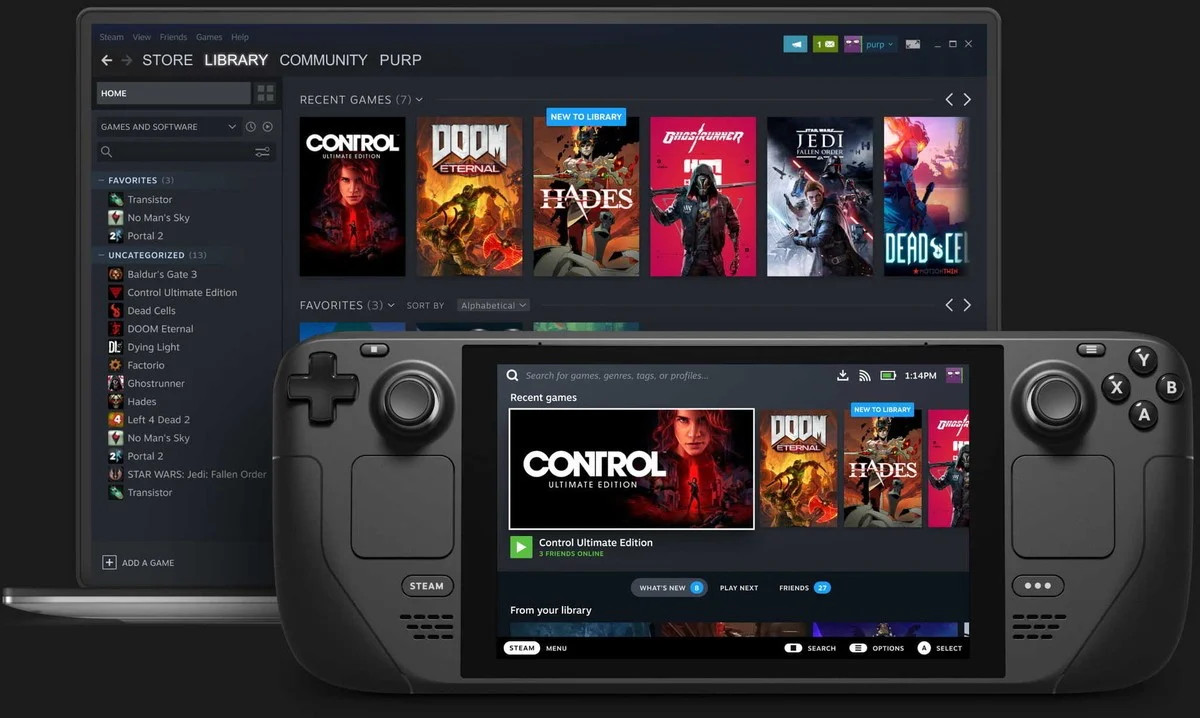
The Steam Deck is an heady piece of technology. Non only is it an affordable entry point into PC gaming, simply it'southward a step forward for the Linux desktop. After all, the year of Linux will come up... someday.
What all of this means for you and your hereafter Steam Deck is that, every bit it stands right now, nigh games on Steam will work. Between now and the final product launch, however, I expect Valve (and the customs) to really ramp up efforts to brand Proton even more than seamless.
And since the Steam Deck is a full-fledged PC with an AMD APU powering the whole affair, you lot are complimentary to exercise other things, too. There's a whole world of Linux gaming, including excellent software like Lutris, but that's a dissimilar topic.
- More: Valve Steam Deck vs Nintendo Switch OLED: What should you buy?

Jordan is the Phones Editor for Tom'south Guide, covering all things phone-related. He's written about phones for over five years and plans to continue for a long while to come. He loves null more than than relaxing in his habitation with a volume, game, or his latest personal writing projection. Jordan likes finding new things to dive into, from books and games to new mechanical keyboard switches and fun keycap sets. Jordan tends to lurk on social media, but you can best achieve him on Twitter.

Source: https://www.tomsguide.com/news/steam-deck-how-proton-will-make-your-steam-games-shine-on-valves-handheld
Posted by: parkernineirackly96.blogspot.com
0 Response to "Steam Deck: How Proton will make your Steam games shine on Valve’s handheld"
Post a Comment